Features
Reporting on Remembrance Day: ethical and practical tips for local journalists
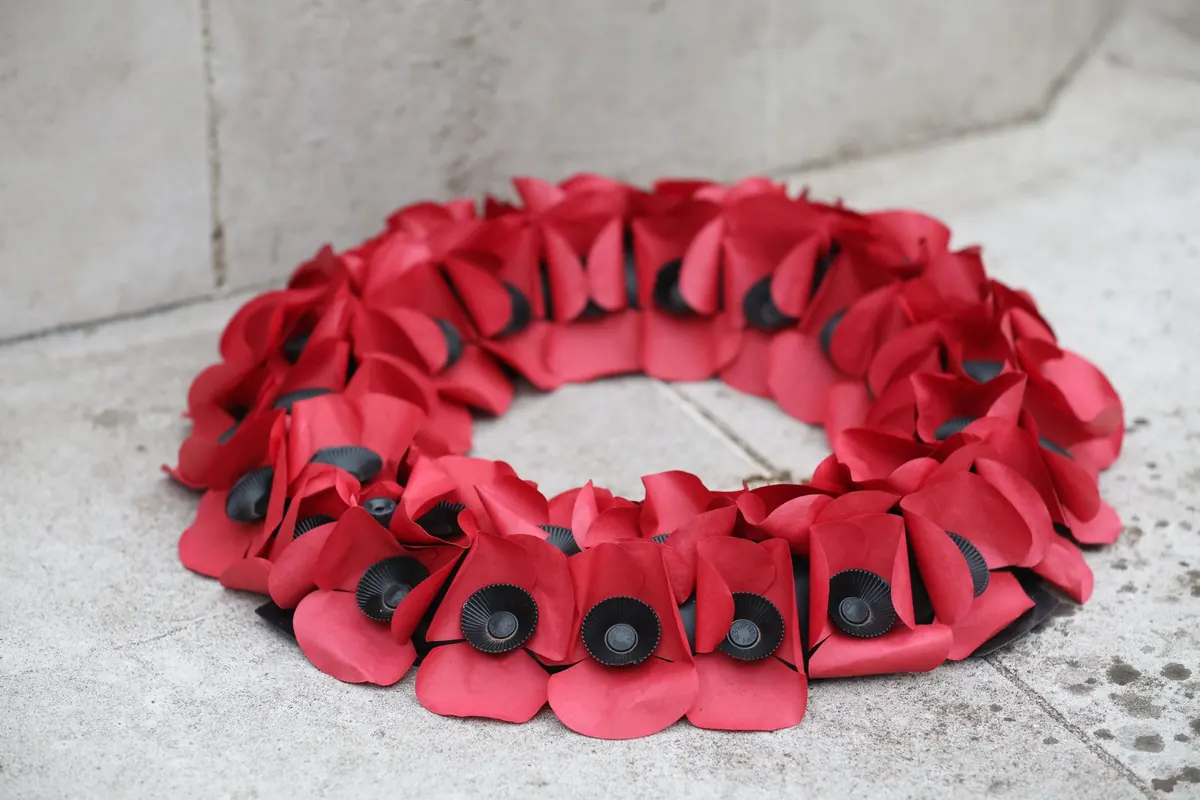
There is a week each November when every local newsroom does the same thing at the same time. The parish clerk confirms the timings, the Royal British Legion branch secretary rings to check you are coming, and a school office emails to ask whether the children can be photographed at the war memorial. It is a fixture, which is exactly why it is easy to cover badly. Arrive at 10.55am, catch the two-minute silence, file 300 words and a picture of a wreath, and you have filled the space without speaking to a single person who lost somebody. A fortnight of planning turns the same assignment into something people keep.
Plan the week, not just the Sunday
Ring the branch secretary a fortnight ahead, not the Friday before. Ask who is laying wreaths, whether a name is being added to the memorial this year, and whether any family is marking an anniversary they would be willing to talk about. Ask about logistics while you are at it: where parking is, which roads close, where a photographer can stand without blocking anyone's view of the procession. Confirm who speaks for the council, the church and the branch, and get a mobile number for at least one of them. Ask whether the service is being recorded or streamed. If a regional television crew is coming, your stills photographer needs a different position, not the same one.
Check the small things twice
Confirm the order of service, whether the silence falls at 11am or earlier in a service that begins at ten, and how the event will end. If a road is closed for a parade, know where you can leave a car. Nothing undoes a good piece faster than arriving after the Last Post.
Interviewing veterans without extracting a performance
Open questions do the work. "What do you remember about the morning before you went?" will get you further than "Was it frightening?" Let silences sit for a second longer than feels comfortable. If someone says they don't talk about that part, accept it and move on; they may return to it themselves.
Send questions in advance if they ask. Some people want a relative in the room, or prefer to write answers down. Explain plainly where the interview will appear, roughly when, and whether it will run online as well as in print. Then keep to it.
Never ask someone to relive the worst hour of their life for a line of colour. Remembrance can be a heavy period for people who served, and for their families. If a contributor becomes distressed, stop, offer them a moment, and point them towards the support available through service charities or their GP. If you are unsure how to handle a sensitive interview, talk to your editor before you publish, not after.
Names, ranks and the corrections nobody forgets
A misspelled surname on a memorial photograph will be remembered for years, by the family especially. Write every name and rank into your notebook from the memorial itself, then read it back to the organiser or the family. Check how a rank and a regiment are properly written, and whether a nickname belongs in print. Inscriptions and official records do not always match; ask which version the family uses.
Captions matter as much as copy. Date, place, event, and the full name of anyone identifiable in the frame. If you cannot confirm a name, leave it out rather than guess.
Photographing the silence and everything around it
The two-minute silence is not usually the picture. The picture is a face in the crowd, a hand resting on a wreath, a child holding a great-grandfather's medals, a row of damp shoulders under a grey sky. Get there early, ask the organiser where you may stand, and work from the edge with a long lens rather than walking into the middle of the act of remembrance. No flash during the silence, and listen to your own shutter.
Inside a church or on private ground, ask the vicar, churchwarden or landowner before you take pictures. If children are in the frame, check the school's policy or speak to parents; some families will have asked to be excluded, and it is far easier to discover that in advance.
Cut the clichés, keep the specifics
Most Remembrance coverage reads the same because it reaches for the same phrases. A few to leave in the drawer:
- The lone bugler silhouetted against a red sky
- The close-up poppy on a name, unless the name is the story
- "Gave their lives", "the ultimate sacrifice", "heroes", "lest we forget"
- "A nation falls silent"
- Weather writing that turns a service into a metaphor
Replace them with facts. Forty-three names on the memorial, the youngest nineteen. A brother who came home and a brother who did not. The volunteer who has cleaned the same sixteen headstones every October since she retired. Specifics do not need decorating. And ask people how they want to be described — plenty of veterans dislike being called heroes, and it costs nothing to check.
Grief, privacy and the family who says no
A public event does not make a private grief fair game. Approach a bereaved family once, politely, ideally in writing or through the regiment, the funeral director or a mutual contact. If the answer is no, that is the end of it. Do not doorstep, and do not lift details from social media tributes and present them as an interview. Where a family does agree, publish only what they were happy to share, and let them see the quotes if that is what it takes to get the story right.
A checklist for the week
- Book the diary a fortnight out and confirm times, access and contacts in writing.
- Note names, ranks and spellings before you arrive, from the memorial and the family.
- Brief your photographer on positions, consent and what the story actually is.
- Ask open questions, allow silences, and stop if someone has had enough.
- Check every caption against your notebook before you file.
- Follow up on Monday. The wreaths come down; the story does not have to end there.
Remembrance coverage is local journalism at its most useful: a record of who was there, what was said, and who was remembered. Do that part properly and the rest takes care of itself.
Photo: Ann H / Pexels
Related Articles